Insights · 6 min read
What makes an SBCC campaign work in Ethiopia
Ethiopia has no shortage of awareness campaigns. It has a shortage of campaigns that change what people do. These are the lessons we keep relearning in the field.
Lesson one: find the friction before you write the message
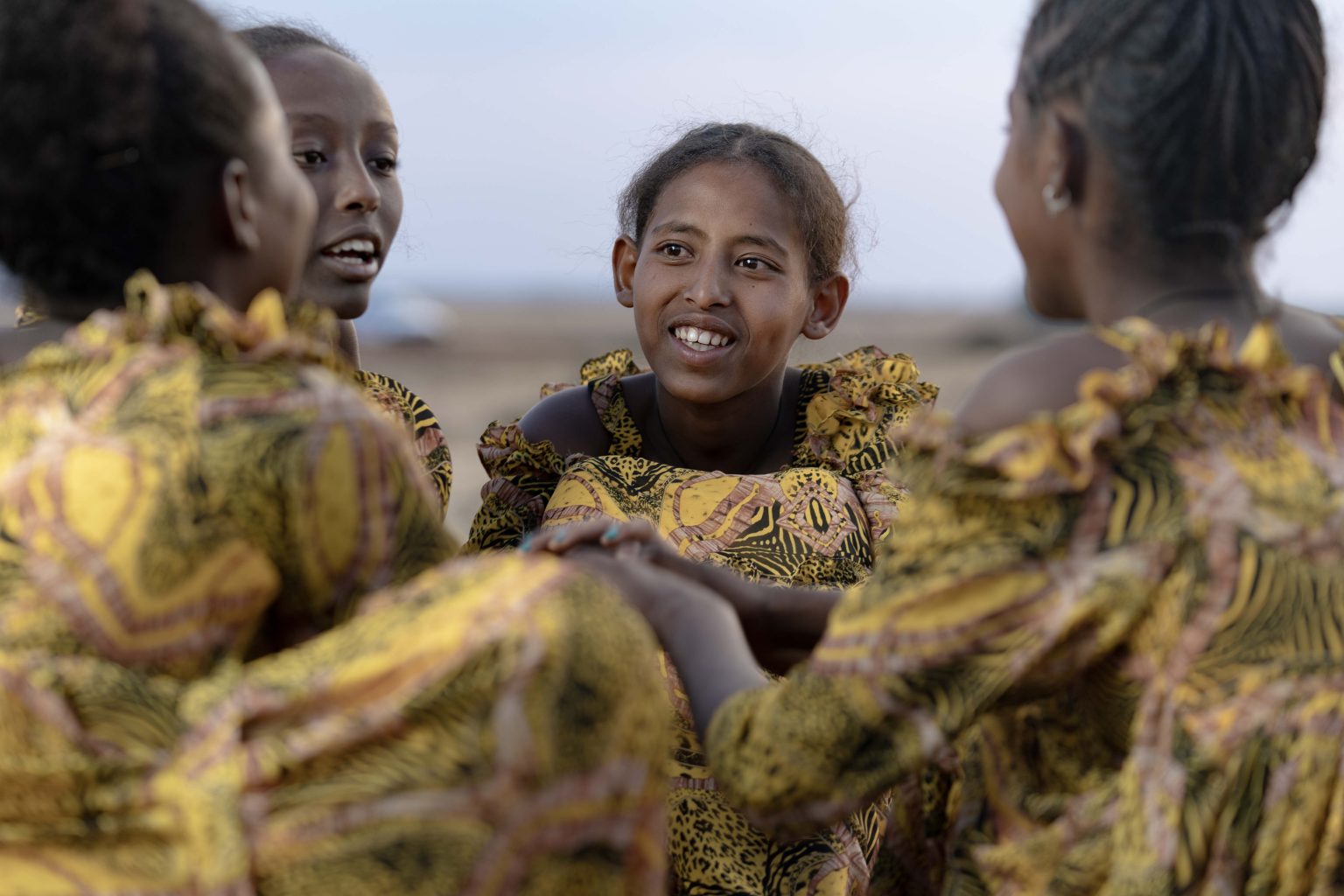
Most behaviour does not change because of a knowledge gap. It stays the same because of trust, cost, social permission or simple inconvenience. A behavioural audit, done before any creative, tells you which of these is actually in the way. When we worked on onboarding young women into Ethiopia’s digital economy, the barrier was not awareness of the platforms. It was deep cultural hesitation and low trust in online work. The campaign had to be built around trust, not information.
Lesson two: design for the whole ecosystem
The Social-Ecological Model is a cliché in proposals and a revelation in practice. A young woman’s decision to join a gig platform sits inside her family, her neighbourhood, her faith community and the policy environment. A campaign that only talks to her will lose to the people around her. Plan messages for parents, husbands, employers and local leaders too, and sequence them so permission arrives before the ask.
Lesson three: make content people would choose to watch
If the audience would skip it, it is not working, however correct the message. Our creative team is the age of the audience most campaigns target, and the brief we give them is simple: make something you would send to a friend. That produces television, podcasts and short-form video that feel like culture rather than instruction, which is the only way a message travels beyond the paid placement.
Lesson four: language is not translation
Campaigns written in English and translated into Amharic sound translated. Write in the language of the audience first, test it with them, then adapt for other languages. For the FarmerChat work with Digital Green, the content had to work for low-literacy, multilingual farmers, so audio in three languages was not an add-on; it was the product.
Lesson five: measure the behaviour, not the reach
Impressions tell you people saw it. Sign-ups, adoption, service uptake and repeat use tell you it worked. Agree those indicators with the programme team at the start, build the campaign so each wave can be read against them, and report what did not move as plainly as what did. Funders trust campaigns that admit what they learned.
Where to start
If you are writing an SBCC ToR now, ask bidders for their behavioural audit method, their plan for secondary audiences, how they will test language, and which behaviour indicators they propose to report against. The answers separate communication agencies from change agencies.
Need this done rather than read? See our sbcc campaigns service, or talk to us.
Related work
Proof, not
promises

Entrepreneurship in the Digital & Gig Economy
EDGE Program
An omnichannel campaign built to onboard 300,000 young women into Ethiopia’s digital economy.

Digital Green Foundation
FarmerChat
One framework, many outputs: proving an AI farm advisor works for low-literacy, multilingual farmers.
Reach for Change Ethiopia
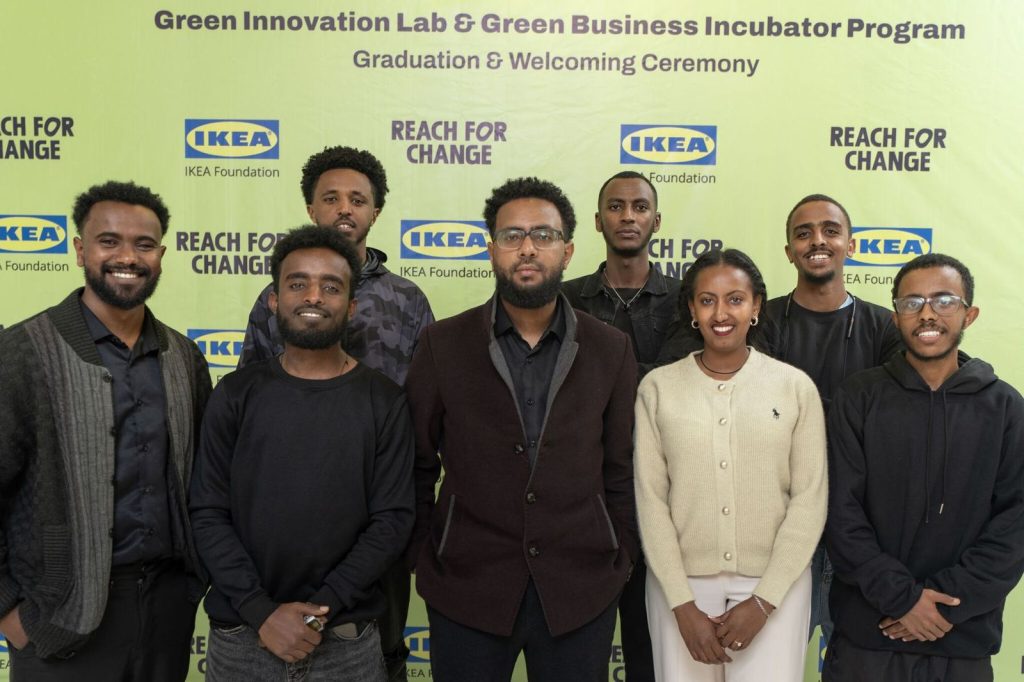
Reach for Change
Giving social entrepreneurs the brands and stories to win investment.
Keep reading
More
insights

7 min read
How to brief a documentary production company in Ethiopia
A practical ToR checklist for NGOs and programme teams commissioning a documentary in Ethiopia: objectives, audiences, consent, languages, timelines and what to ask for in the proposal.
5 min read
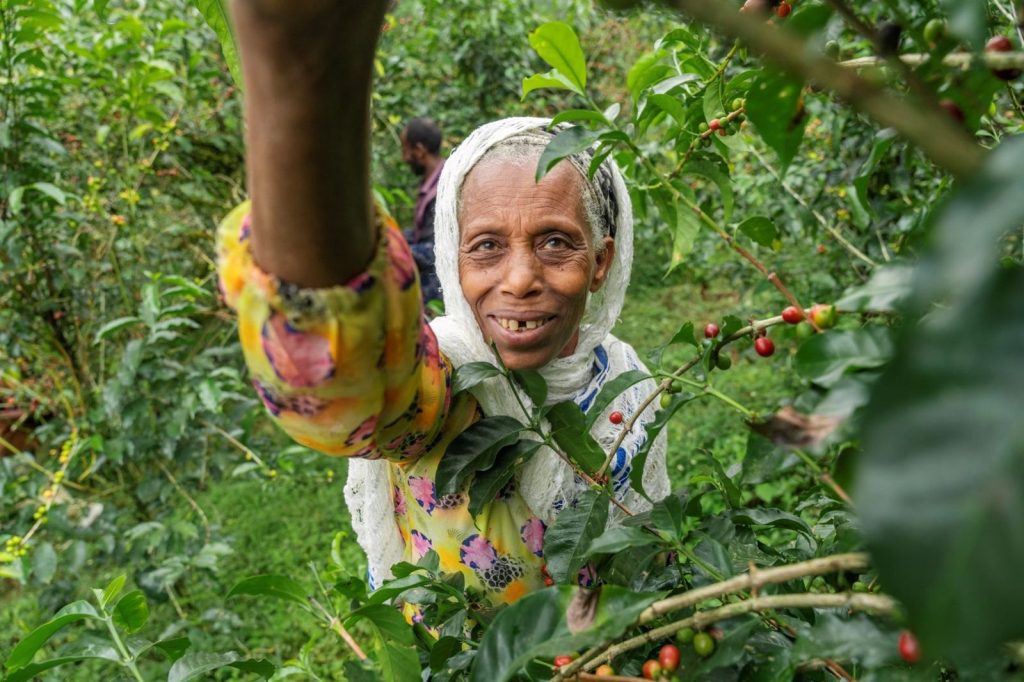
Donor reporting that gets read: turning M&E data into stories
How development programmes in Ethiopia can turn monitoring and evaluation data into impact reports, films and photo essays that funders actually read, remember and act on.
5 min read
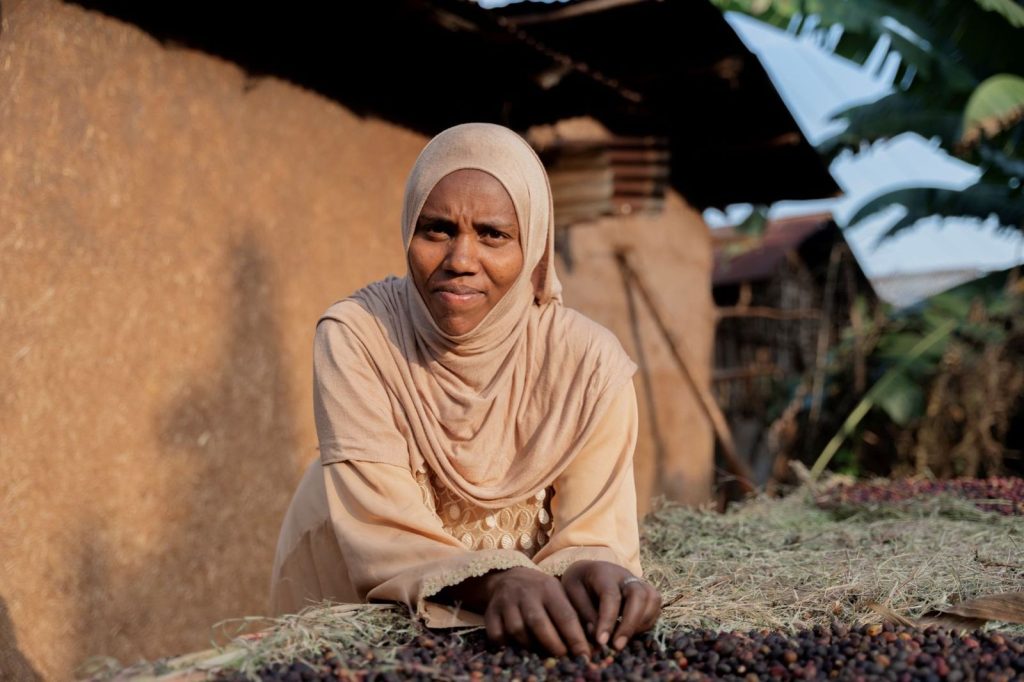
Photography for development programmes: dignity, consent and usable images
A guide for NGO communications teams in Ethiopia on commissioning programme photography: informed consent, dignified representation, image libraries and getting photographs you can actually use for years.