Insights · 5 min read
Donor reporting
that gets read
Every programme produces evidence. Very few produce evidence anyone remembers. The difference is rarely the data. It is what you do with it.
The report nobody opened
A closing report with 120 pages, 14 annexes and a one-paragraph executive summary is a filing exercise, not a communication. The people who decide on your next grant will read the summary, look at two charts, and remember one story if you give them one. Design for that reader.
Lead with the change, then prove it
Open with what is different now for the people the programme served, in their words where possible. Then show the indicator that moved and how you know. Evidence earns trust; the story earns attention. Reports that do only one of the two are either ignored or doubted.
Let the photograph carry data
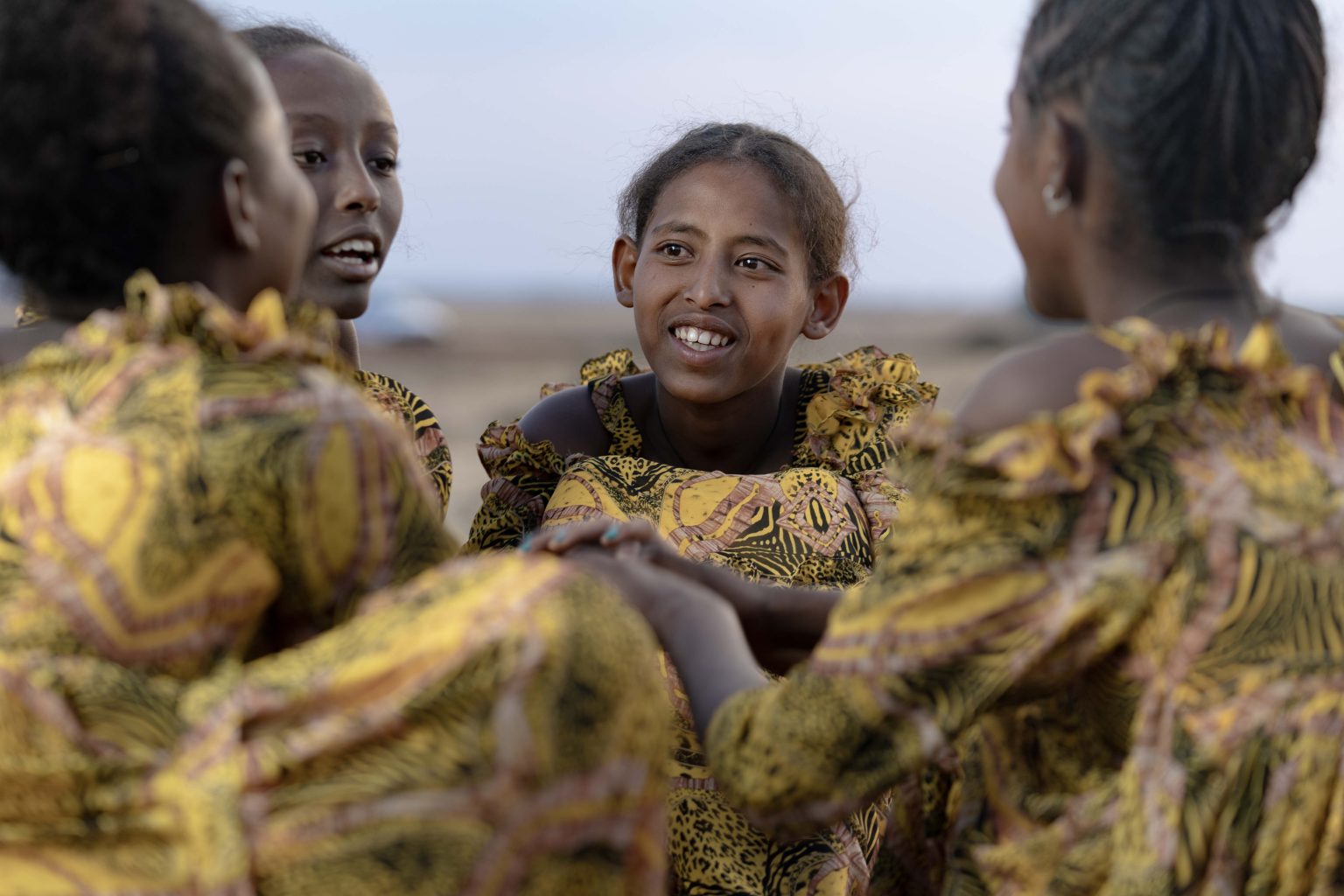
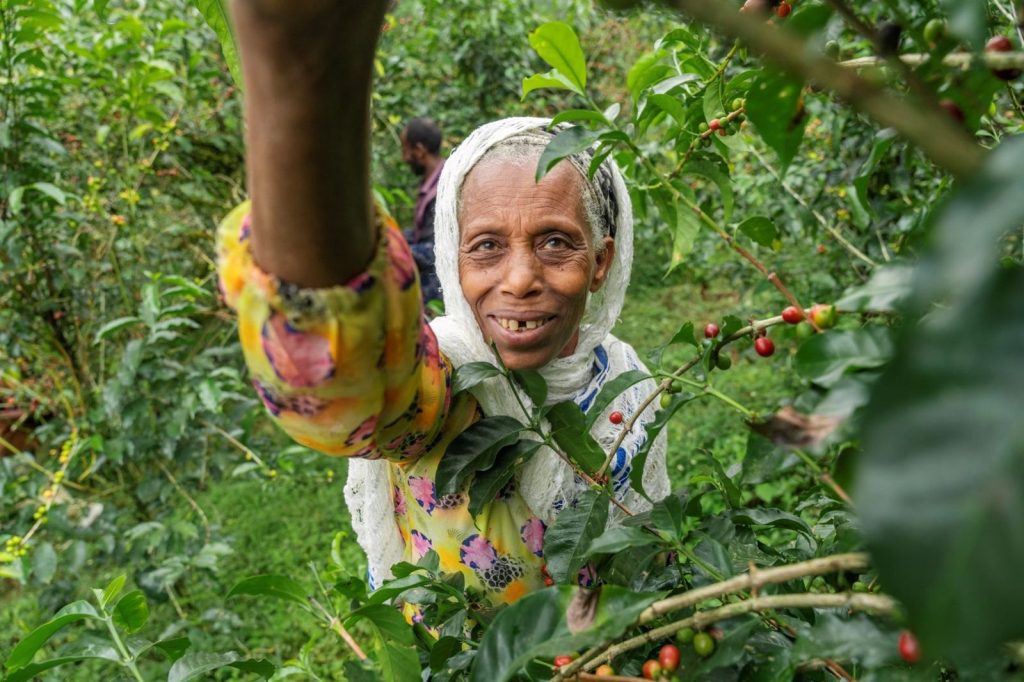
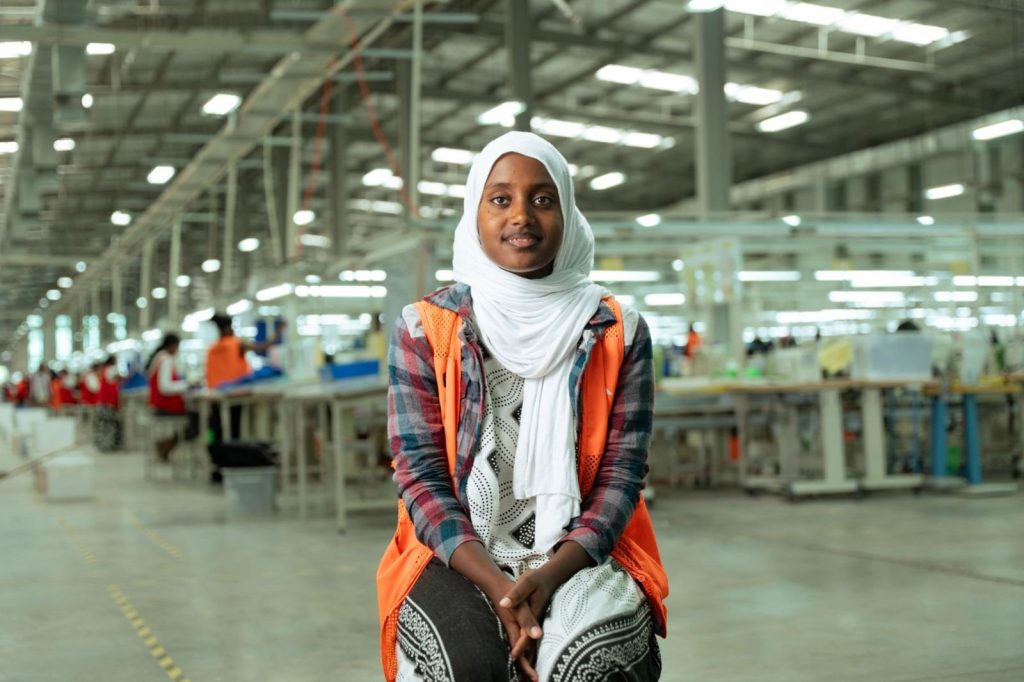
A portrait of a factory worker with her first payslip, captioned with the employment figure for her industrial park, does more than the figure alone. When we documented four industrial programmes for IDH, the task was to make one clear closing story donors could trust out of a great deal of complexity, and narrative photography did much of that work.
Make it in the formats funders use
A three-minute film for the steering committee. A two-page visual summary for the desk officer. A photo essay for the annual report. A set of social posts for the funder’s own channels, because they need to show impact to their board too. One field trip and one evidence base can feed all of them if you plan for it.
Say what did not work
Funders have read a thousand reports in which everything succeeded. A report that explains what fell short and what you changed as a result reads as honest, and honesty is what gets a programme renewed. The same applies to films: a participant describing a setback is more persuasive than ten describing success.
Plan the communication when you plan the M&E
The cheapest moment to commission impact communication is at programme design, when you can align indicators, consent, site visits and documentation. The most expensive is three weeks before the closing event. If you are at the second moment, start with the story that your data already proves and build outward from there.
Need this done rather than read? See our documentary film service, or talk to us.
Related work
Proof, not
promises
IDH, the Sustainable Trade Initiative
IDH
Four complex industrial programmes, one clear closing story donors could trust.
Here We Grow
Here We Grow
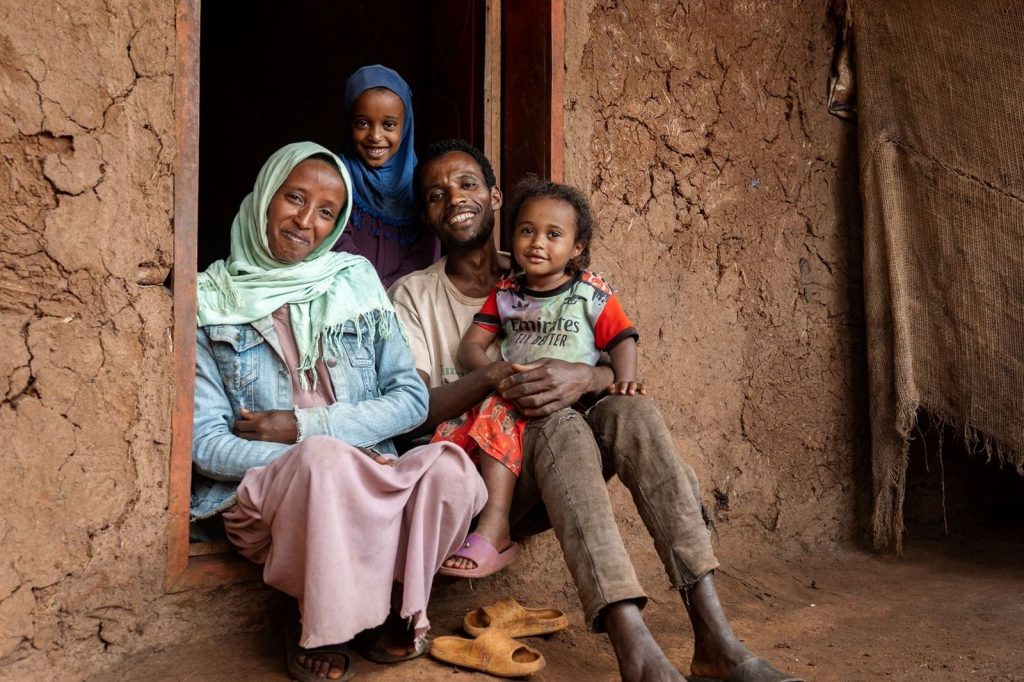
Ethical storytelling that showed donors a model ready to scale.
International Organization for Migration
IOM
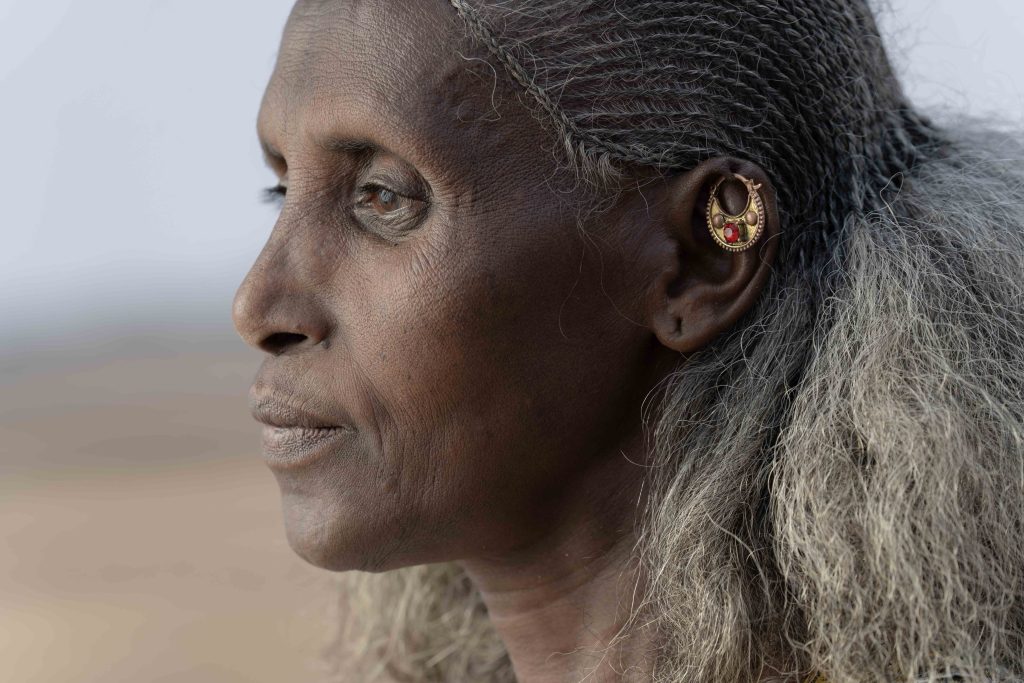
Ethnographic film and a photobook that helped IOM keep a major humanitarian funder at the table.
Keep reading
More
insights

7 min read
How to brief a documentary production company in Ethiopia
A practical ToR checklist for NGOs and programme teams commissioning a documentary in Ethiopia: objectives, audiences, consent, languages, timelines and what to ask for in the proposal.

6 min read
What makes an SBCC campaign work in Ethiopia
Five lessons from running social and behaviour change communication campaigns in Ethiopia: start with friction, design for the whole ecosystem, make content people want, use the right languages and measure behaviour, not reach.
5 min read
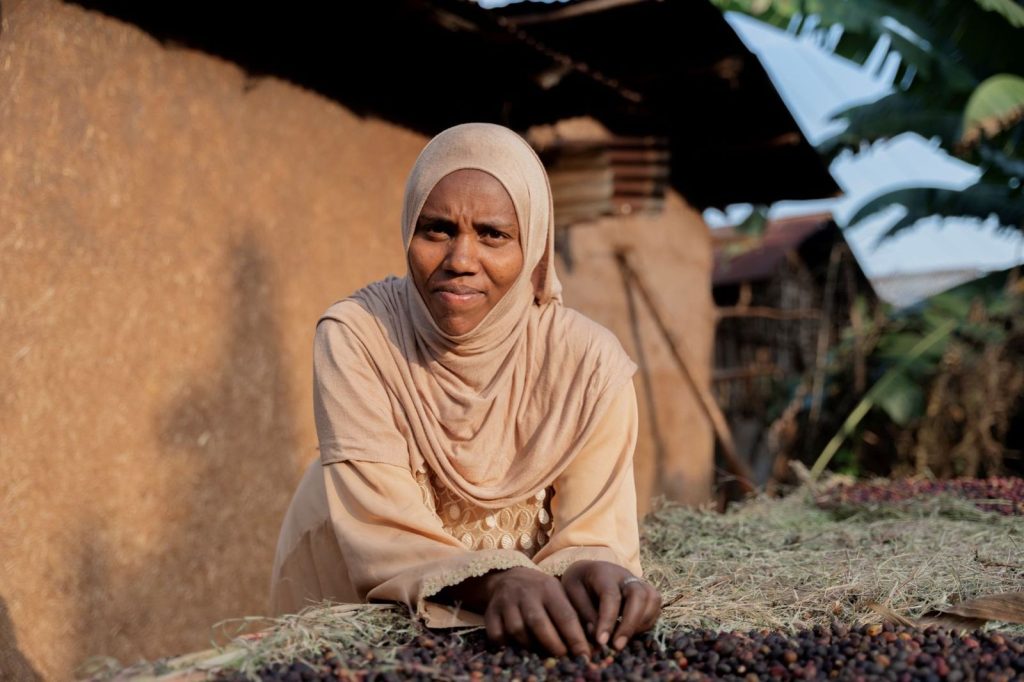
Photography for development programmes: dignity, consent and usable images
A guide for NGO communications teams in Ethiopia on commissioning programme photography: informed consent, dignified representation, image libraries and getting photographs you can actually use for years.