Insights · 5 min read
Photography for
development programmes
Programme photography is often an afterthought bolted onto a monitoring visit. Done properly, it becomes the most reused asset a programme owns.
Dignity is a technical decision
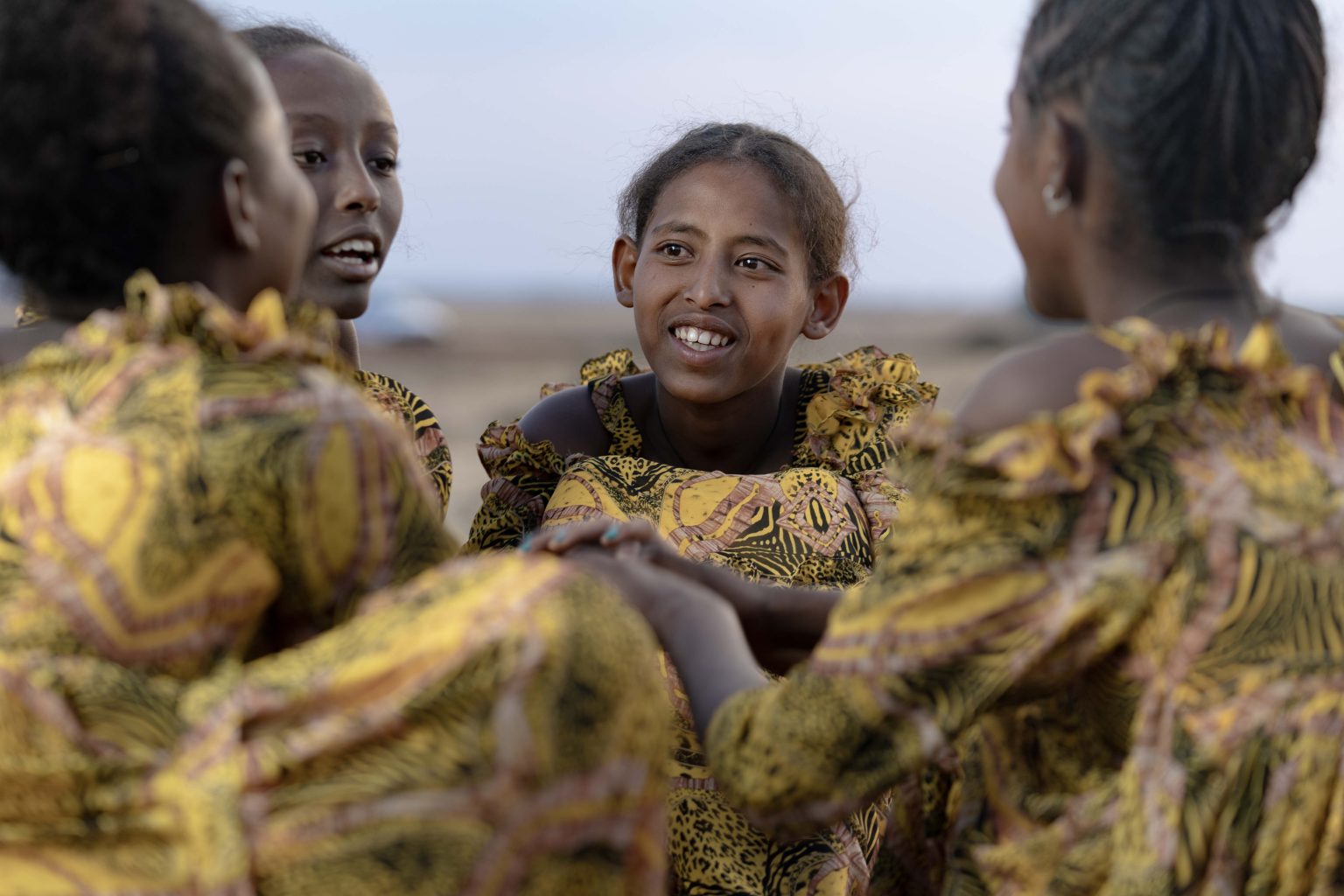
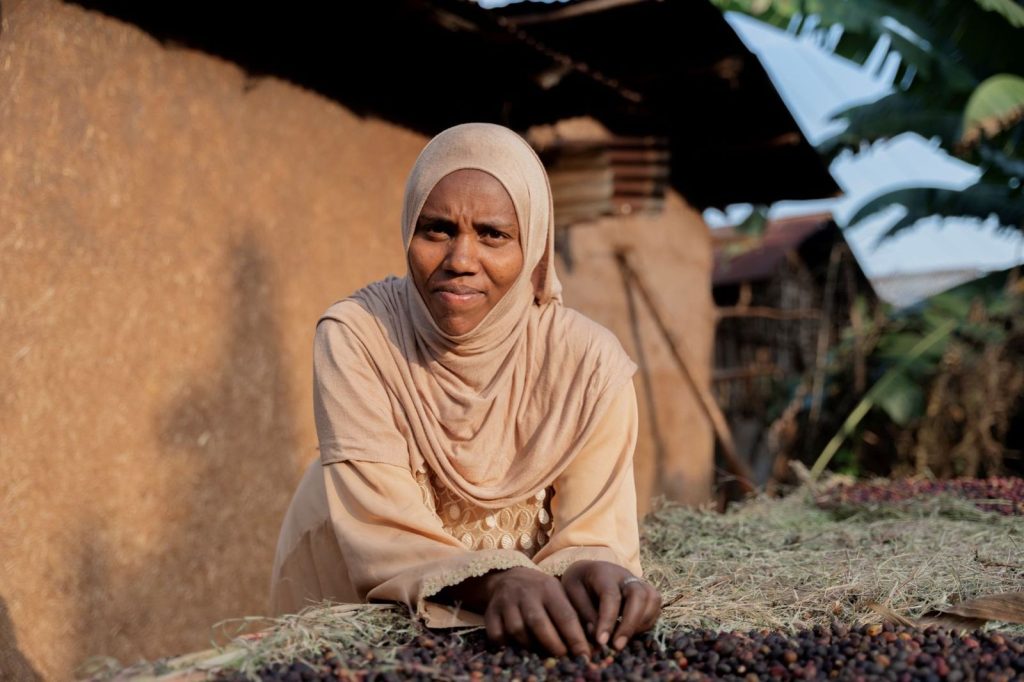
How a person is lit, framed and directed decides whether they look like a partner in their own story or a subject of someone else’s. We photograph people at eye level, in the places and clothes they choose, doing the things the programme is actually about. The result is imagery that participants are proud of and that audiences believe.
Consent is a conversation, not a form
Explain who will see the image, where, and for how long, in the person’s own language. Record the consent, written or verbal, and keep it with the image metadata. For children, a guardian must be present and must understand the use. If someone changes their mind later, honour it. Reputable agencies will walk you through their process before you hire them.
Shoot a library, not a trip
Brief the photographer on the full range of uses: website hero images, report covers, social posts, presentation slides, press. That means horizontal and vertical frames, wide context shots and close details, images with space for text and images without. A single well-planned day produces a library a communications team can draw on for two or three years.
Caption at the point of capture
A photograph without a name, place, date and programme context is almost unusable eighteen months later. Have the photographer capture captions in the field and embed them in the file metadata. Your future self will thank you at annual-report time.
Work with local photographers
Ethiopian photographers who speak the language, understand the context and can return to the site produce better and more ethical work than a fly-in crew, and at lower cost. They also build the long relationship with communities that honest documentation depends on.
What to ask for
Final retouched images in web and print resolution, embedded captions and consent references, a consistent colour grade so images from different sites sit together, and clear usage rights. If the agency also films, ask for stills and footage from the same visit; it is the most efficient way to document a programme.
Need this done rather than read? See our corporate photography service, or talk to us.
Related work
Proof, not
promises
Here We Grow
Here We Grow
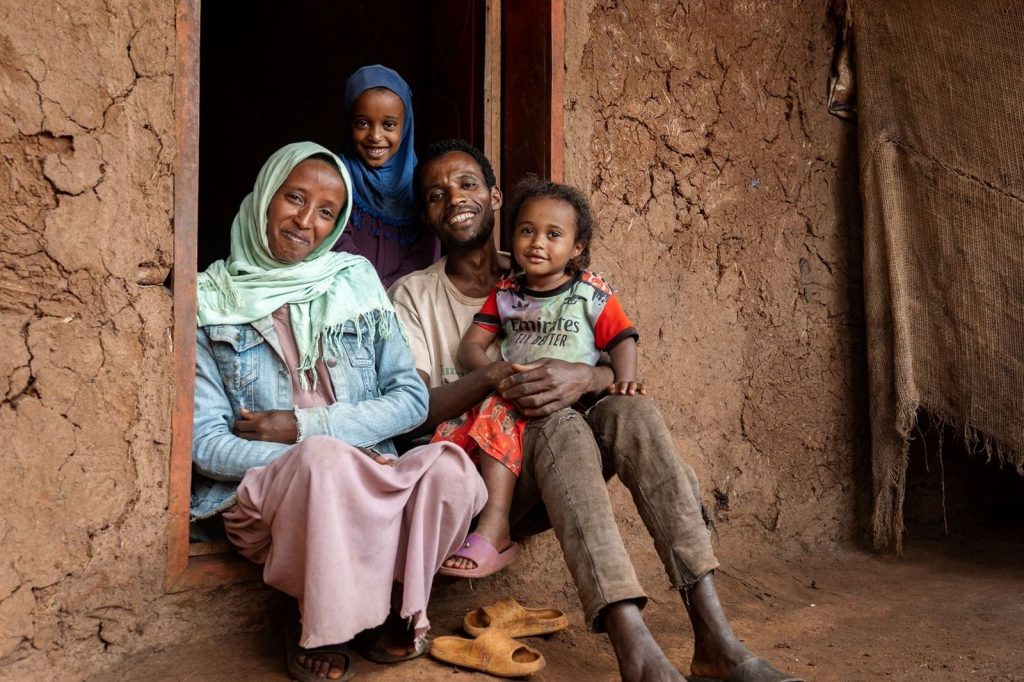
Ethical storytelling that showed donors a model ready to scale.
Green Agro Solutions (Lersha)
Lersha
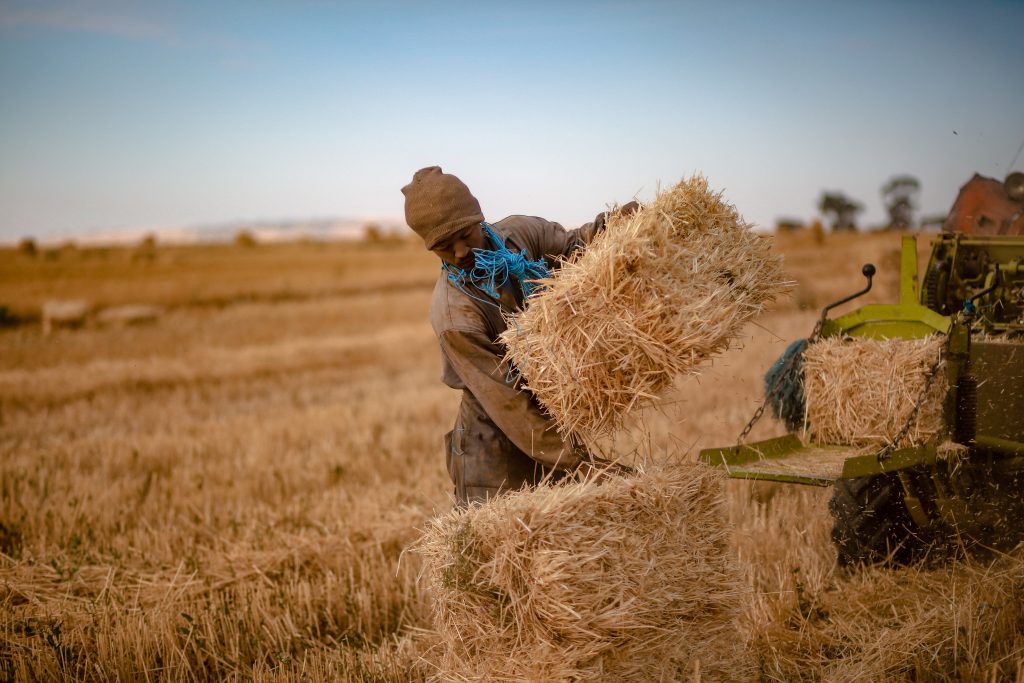
Field evidence that turned an agritech pitch deck into an investment prospect.
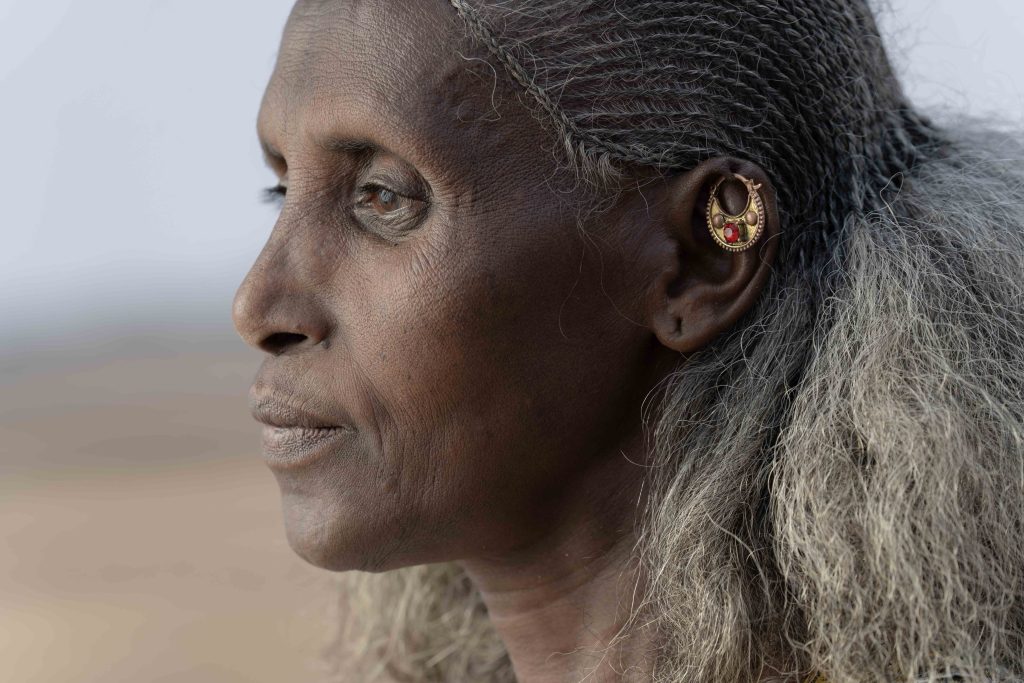
International Organization for Migration
IOM
Ethnographic film and a photobook that helped IOM keep a major humanitarian funder at the table.
Keep reading
More
insights
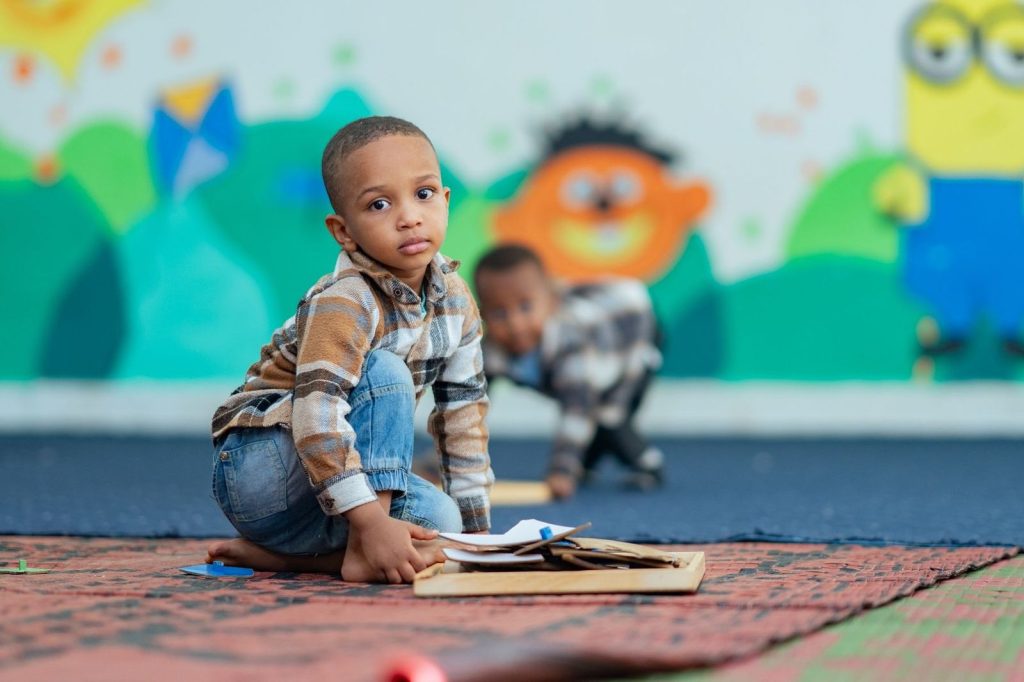
7 min read
How to brief a documentary production company in Ethiopia
A practical ToR checklist for NGOs and programme teams commissioning a documentary in Ethiopia: objectives, audiences, consent, languages, timelines and what to ask for in the proposal.

6 min read
What makes an SBCC campaign work in Ethiopia
Five lessons from running social and behaviour change communication campaigns in Ethiopia: start with friction, design for the whole ecosystem, make content people want, use the right languages and measure behaviour, not reach.
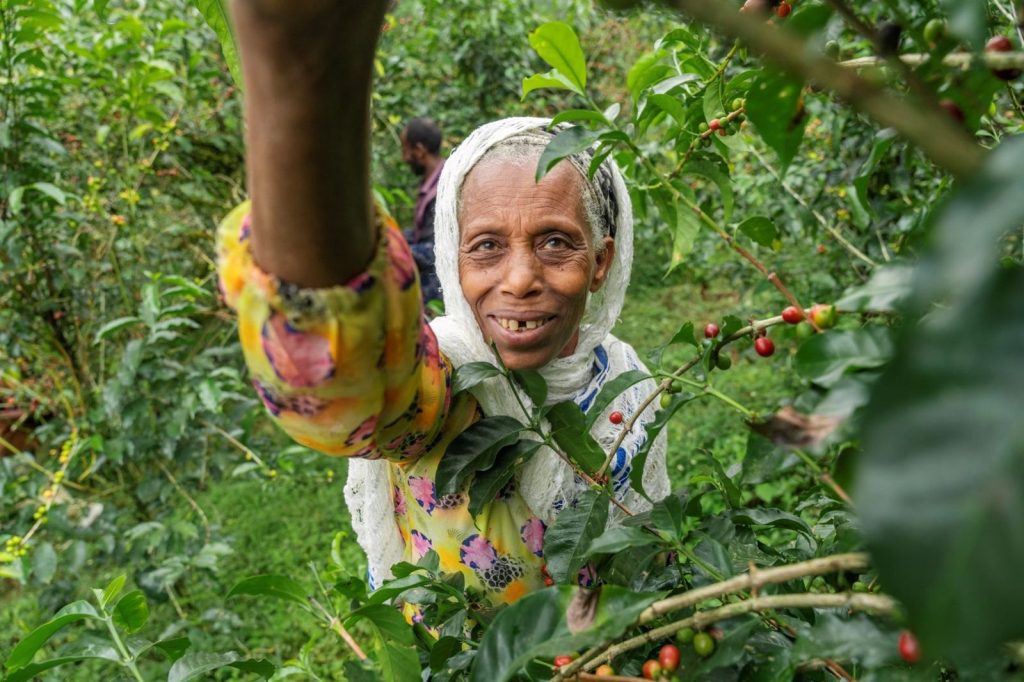
5 min read
Donor reporting that gets read: turning M&E data into stories
How development programmes in Ethiopia can turn monitoring and evaluation data into impact reports, films and photo essays that funders actually read, remember and act on.