Insights · 7 min read
How to brief a documentary production company in Ethiopia
Most documentary briefs we receive describe the film. The best ones describe the decision the film has to support. Here is what to put in the terms of reference so you get a documentary that works.
Start with the decision, not the duration
Before “a 10-minute documentary”, write down who will watch it and what you need them to do afterwards. Renew funding? Approve a scale-up? Change a policy? Join a programme? The audience and the decision set everything else: the length, the tone, the language, even whether you need a film at all or a photo essay would do the job better. A documentary for a donor steering committee and a documentary for Ethiopian television are different productions with different budgets.
Name the proof you already have
Your M&E data is the backbone of a credible film. Share the baseline, the indicators that moved and the ones that did not, and the programme sites where change is visible. A good production company builds the story from that evidence rather than around it. If a claim cannot be evidenced, it should not be in the film, and saying so in the ToR saves everyone an awkward review round.
Be specific about places, people and permissions
List the regions and sites, the partner organisations who will host the crew, and who on your team will travel. Say what permits the production company must obtain and what you will provide. In Ethiopia, regional filming permissions and security clearances take time; a ToR that acknowledges this gets a realistic schedule back rather than an optimistic one.
Put consent and ethics in writing
State your safeguarding and consent standards: consent in the participant’s language, guardians present for children, the right to withdraw, how images may be used and for how long. Ask bidders to describe their process. The answer tells you more about an agency than its showreel does.
Ask for the whole output family
One field trip can produce the documentary, a three-minute donor cut, sixty-second social versions, a photo essay for the annual report and a stills library for the website. If you ask for “a film” you will be quoted for a film. Ask for the family of outputs you will use over the next two years, and you will get far more value from the same shoot days.
Languages and accessibility
Specify the languages of the interviews and of the delivered versions, and whether you need subtitles, voice-over or both. For Ethiopia that usually means Amharic and English at minimum, often Afaan Oromo or Tigrigna. Add audio description or captioned versions if the film will be shown publicly.
The deadline that matters
Give the real date: the donor meeting, the launch, the closing event. Then work backwards with the production company. Shooting is the shortest part; interviews, travel, translation and review rounds take the time. A fixed “final files” date with an agreed number of review rounds keeps everyone honest.
What to ask for in the proposal
A narrative treatment (how they would tell it), a production plan with dates, a crew list, a line-item budget, a consent process, examples of similar work with clients you can call, and a clear statement of who owns the footage. You should own it. Then weigh the treatment heavily: the company that understands the story is the company that will deliver the film you need.
Need this done rather than read? See our documentary film service, or talk to us.
Related work
Proof, not
promises
International Organization for Migration
IOM
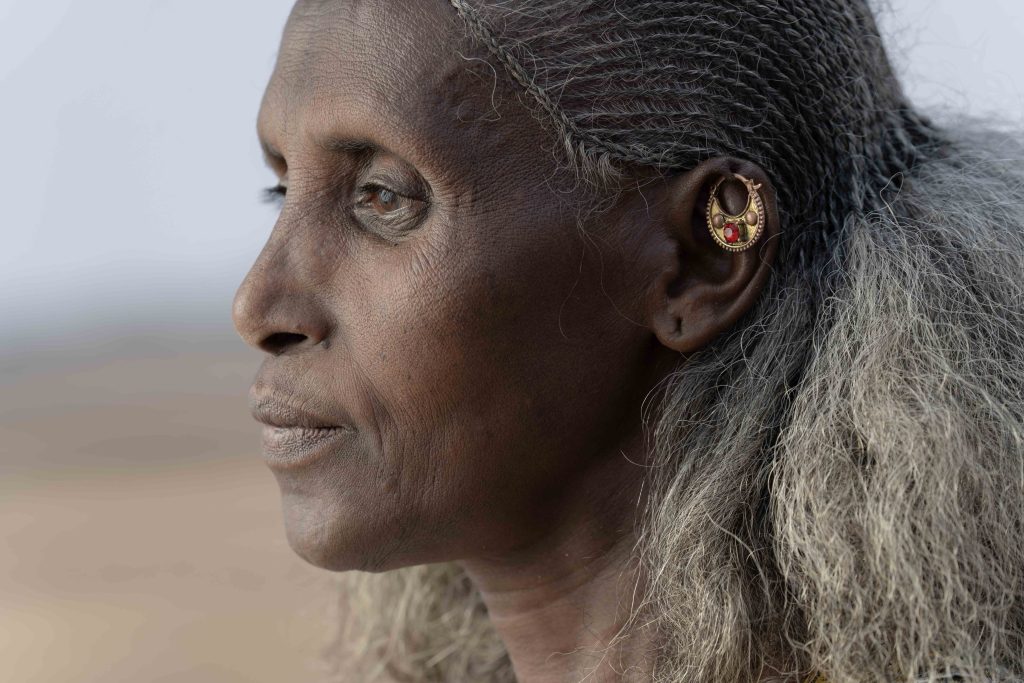
Ethnographic film and a photobook that helped IOM keep a major humanitarian funder at the table.
IDH, the Sustainable Trade Initiative
IDH
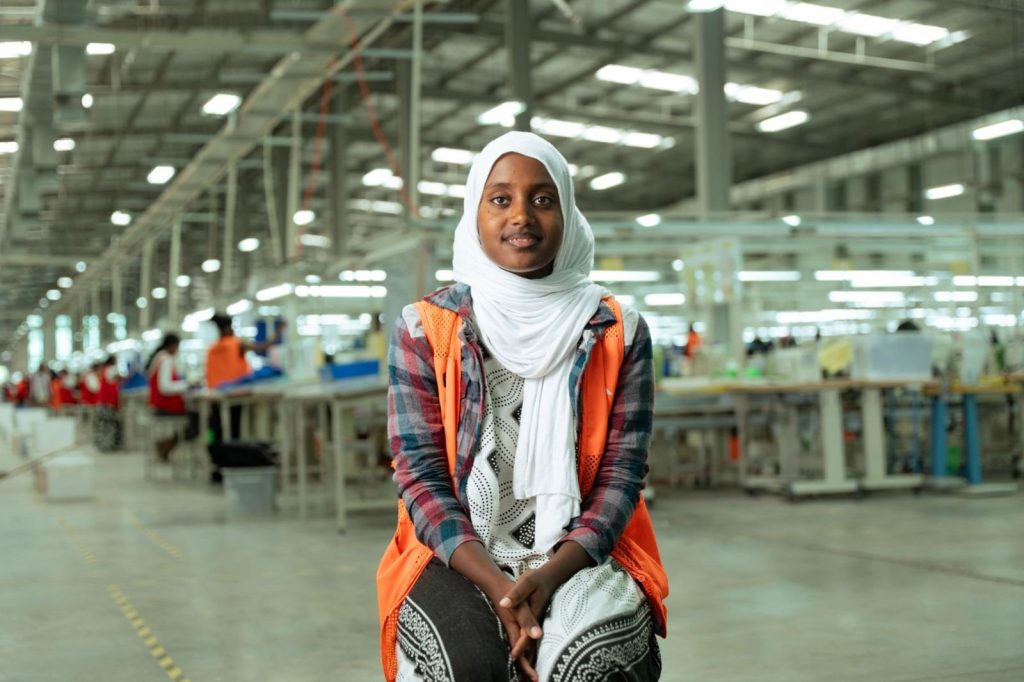
Four complex industrial programmes, one clear closing story donors could trust.
Here We Grow
Here We Grow
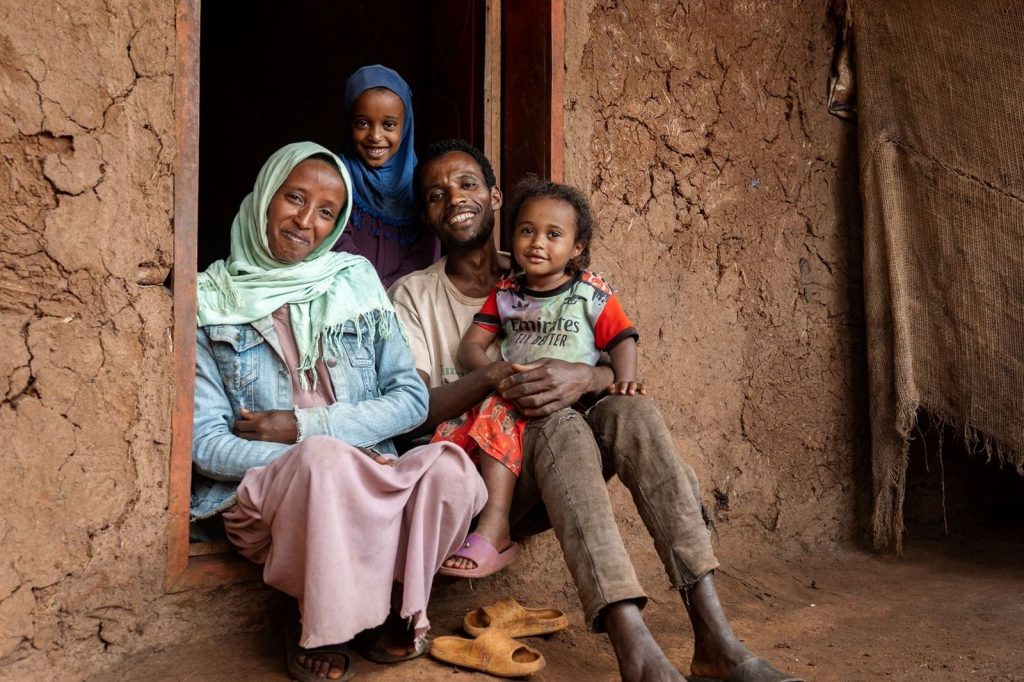
Ethical storytelling that showed donors a model ready to scale.
Keep reading
More
insights

6 min read
What makes an SBCC campaign work in Ethiopia
Five lessons from running social and behaviour change communication campaigns in Ethiopia: start with friction, design for the whole ecosystem, make content people want, use the right languages and measure behaviour, not reach.
5 min read
Donor reporting that gets read: turning M&E data into stories
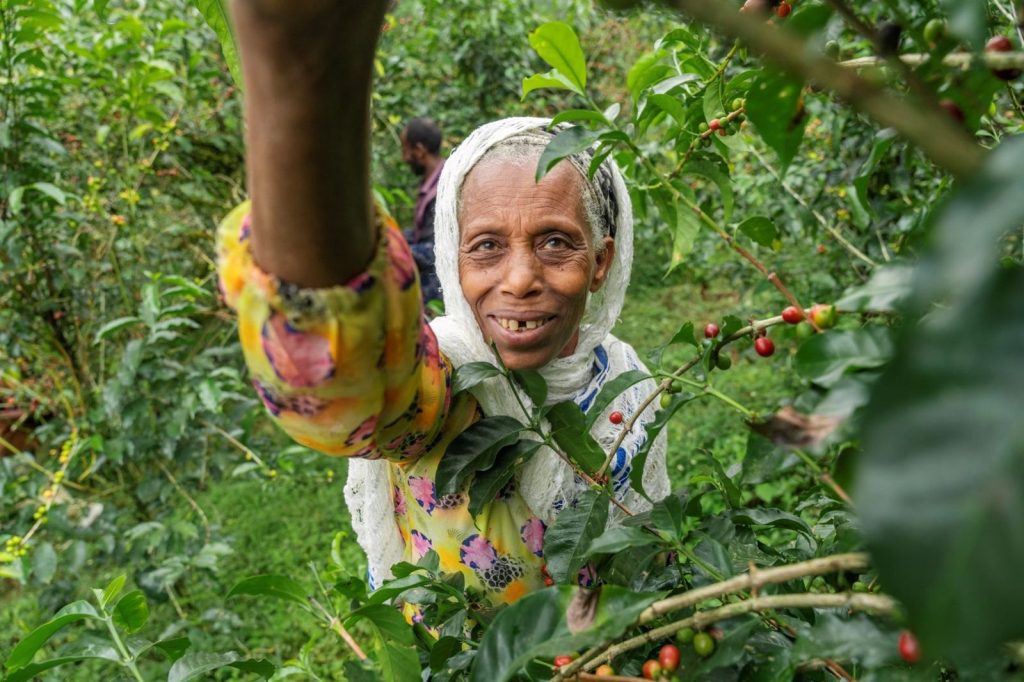
How development programmes in Ethiopia can turn monitoring and evaluation data into impact reports, films and photo essays that funders actually read, remember and act on.
5 min read
Photography for development programmes: dignity, consent and usable images
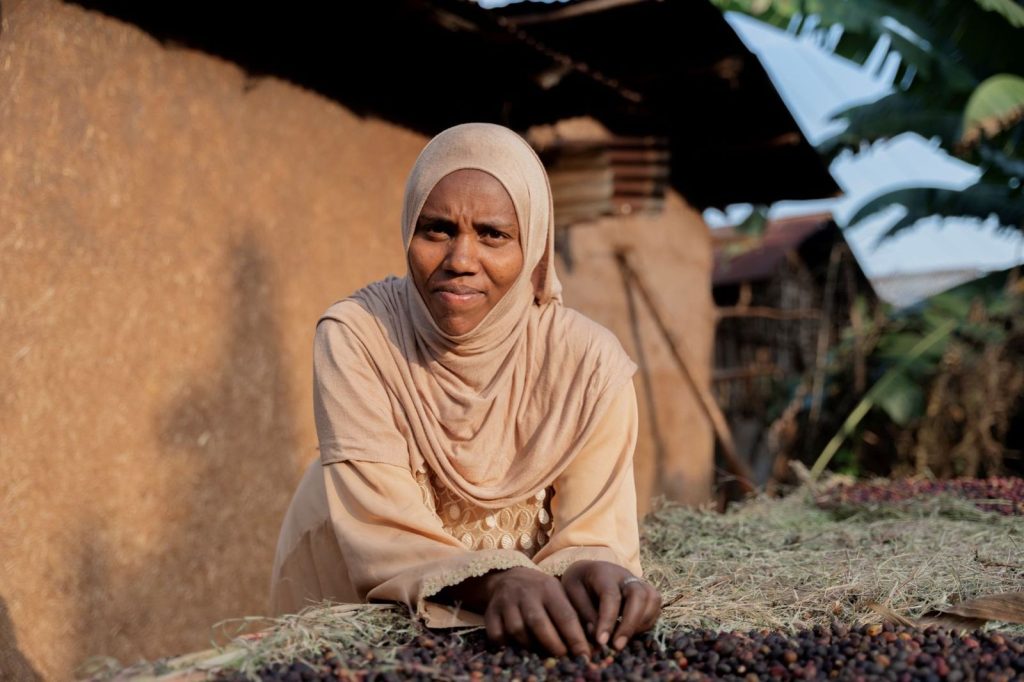
A guide for NGO communications teams in Ethiopia on commissioning programme photography: informed consent, dignified representation, image libraries and getting photographs you can actually use for years.