Documentary production · Ethiopia
Documentaries
donors trust
A documentary is often the only time a funder, a minister or a board meets the people a programme is for. We make that meeting honest, beautiful and useful, so the film does its job long after the screening.
Ethical by design
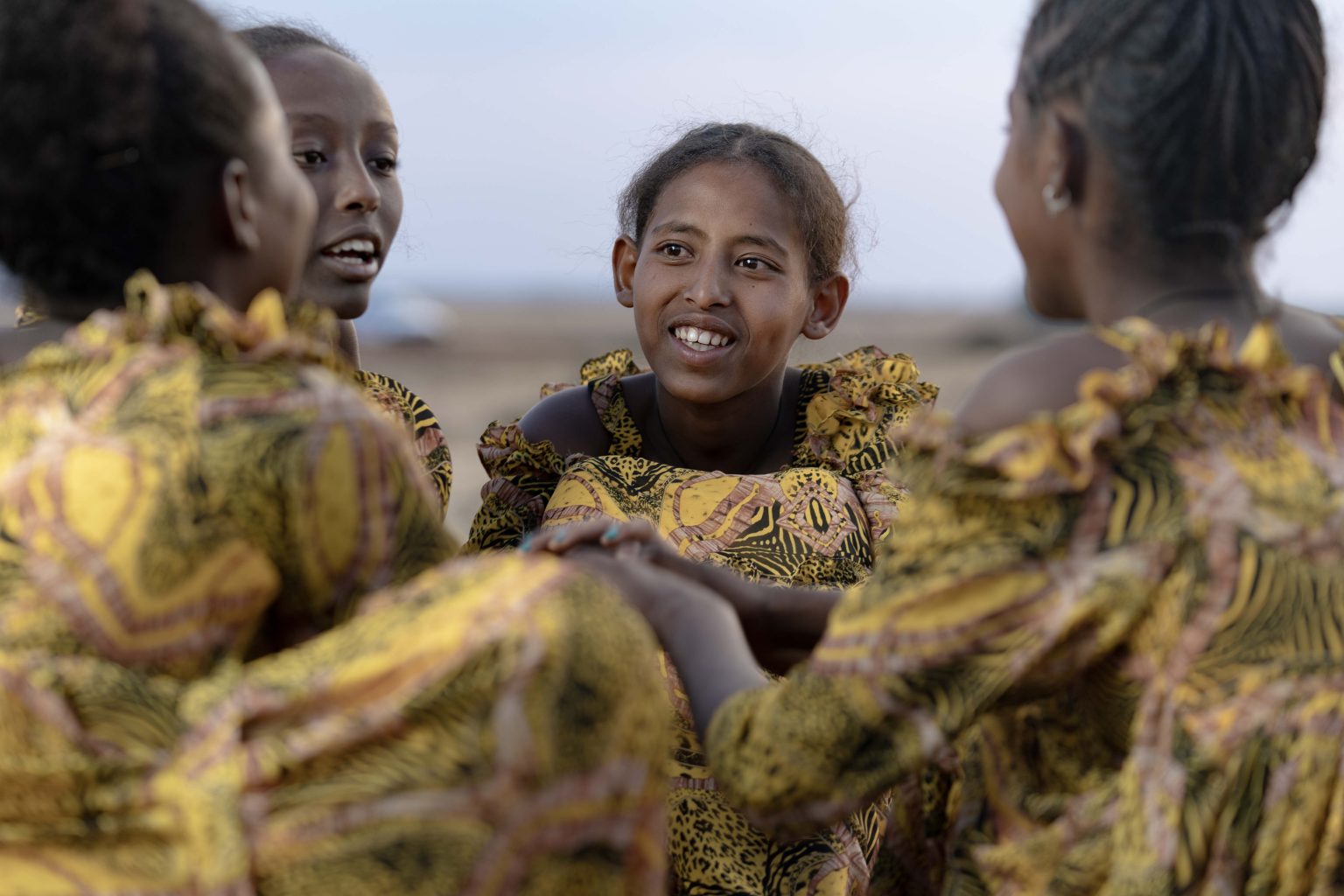
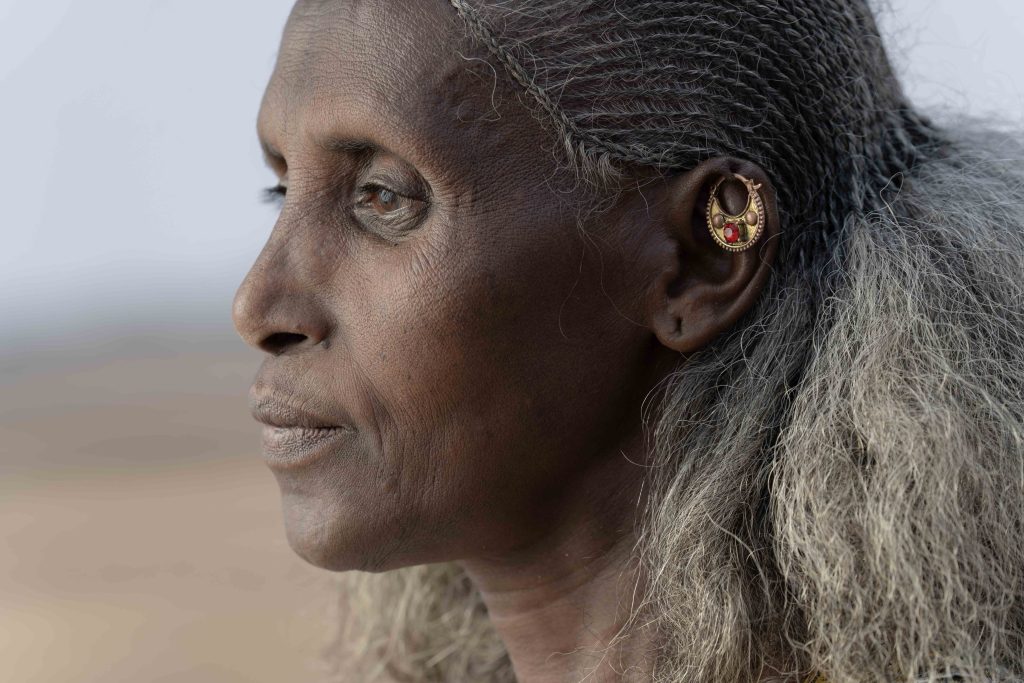
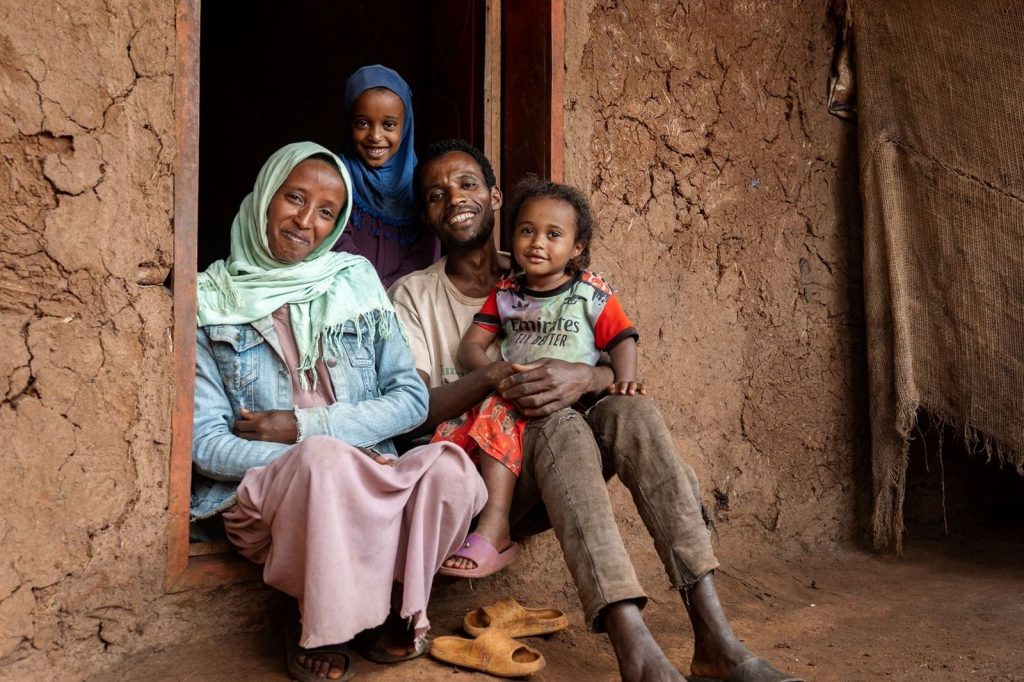
Informed consent in the participant’s own language, no staged suffering, no “poverty porn”. We shoot with dignity because it is right, and because audiences can tell. Our crews are Ethiopian, our interviewers speak the language of the person in front of them, and participants see how they are represented.
Built from evidence
We start with your logframe, your M&E data and your theory of change, and we find the human stories that prove them. The result is a film that your programme team, your communications lead and your donor can all stand behind, because every claim in it is one you can already evidence.
One trip, many outputs
A documentary shoot is expensive to repeat, so we plan it to feed everything else: the photo essay for the annual report, the three-minute version for the donor meeting, the vertical cuts for social, the stills for the website, and a photobook or exhibition if the moment calls for one.
What we deliver
Documentary film,
end to end
Programme documentaries
Mid-term and closing films for multi-year development programmes.
Success-story films
Short beneficiary and partner stories for donor reporting.
Photo essays and photobooks
Narrative photography sequenced to tell the programme story in print.
Ethnographic and research film
Formative research documented on camera to inform design.
Exhibition and event assets
Large-format prints, screening cuts and installation media.
Translation and accessibility
Subtitles, voice-over and audio-described versions.
Selected work
Proof, not
promises
International Organization for Migration
IOM
Ethnographic film and a photobook that helped IOM keep a major humanitarian funder at the table.
IDH, the Sustainable Trade Initiative
IDH
Four complex industrial programmes, one clear closing story donors could trust.
Here We Grow
Here We Grow
Ethical storytelling that showed donors a model ready to scale.
Questions we get asked
Good
questions
What should a documentary ToR include?
The decision the film must support, who will watch it and where, the regions and programme sites, the languages, the delivery date that actually matters (often a donor meeting), and whether you need stills as well as film. Our article on briefing a documentary production company walks through a full checklist.
How do you handle consent with participants?
We explain the purpose, the audience and the channels in the participant’s own language, record verbal consent on camera and hold written consent where literacy allows. Participants can withdraw at any point before delivery, and we never film children without a guardian present.
Can you work from our existing M&E data?
Yes, and we prefer to. Your baseline, endline and monitoring data tell us what changed; the documentary shows how it felt to the people it changed for.
How long is a typical programme documentary?
Most sit between six and fifteen minutes, with a three-minute version for meetings and sixty-second cuts for social. Longer films are possible when there is a festival or broadcast plan behind them.
Do you work with international NGOs and UN agencies?
Yes. Our clients include IOM, IDH, Digital Green, Reach for Change and Here We Grow, and we are used to procurement, security and branding requirements for multilateral work.